In today’s unconventional drilling operations, minimizing Non-Productive Time (NPT) remains one of the most important factors for improving efficiency, reducing costs, and achieving safer, more predictable outcomes. Despite advances in drilling technology, operators continue to face persistent challenges from wellbore instability, pressure fluctuations, and other conditions that can lead to costly downtime. Reducing NPT is not only critical for maintaining project schedules and budgets, it is fundamental to sustaining operational excellence in increasingly complex reservoirs.
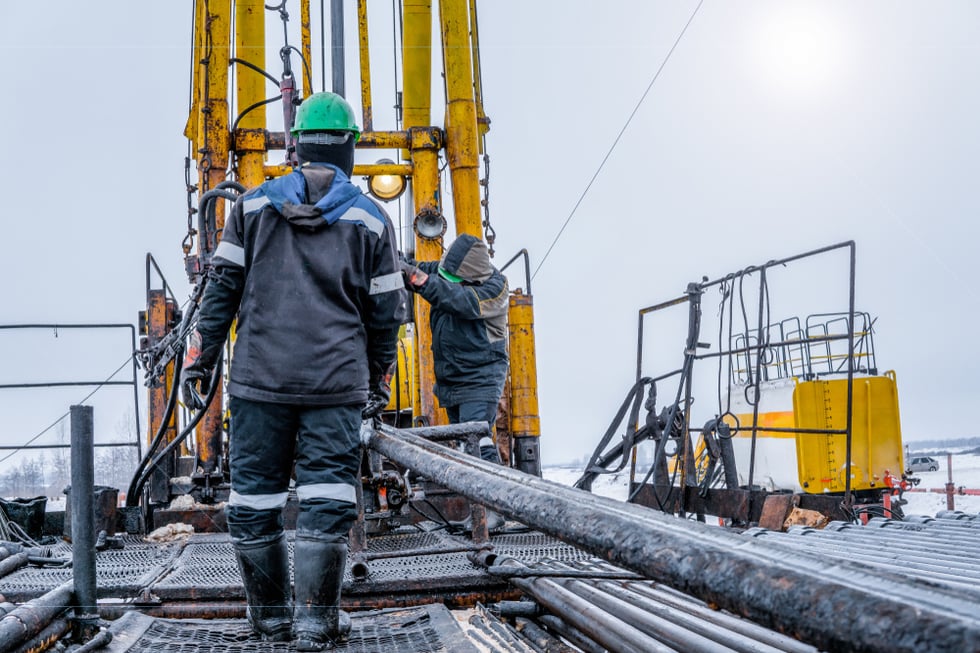
Managed Pressure Drilling (MPD) has become a proven strategy for addressing these challenges. By enabling dynamic, real-time control of downhole pressures, MPD helps mitigate risks such as influxes, losses, and instability that would otherwise interrupt drilling operations. As operators have recognized its value, MPD adoption has expanded significantly in technically demanding basins where maintaining precise pressure control is essential for success.
However, the adoption of MPD technology is only part of the equation. True optimization requires not just having advanced tools in place, but continuously improving how those tools are deployed in the field. Applying lean methodologies and other continuous improvement practices to MPD workflows offers a powerful opportunity to refine operations, streamline processes, and maximize the performance gains that MPD can deliver. This blog explores how lean approaches—especially as applied in the field—can enhance MPD’s impact on reducing NPT.
In April 2025, Martin Duarte, Lead MPD Engineer at Stasis, presented on this very topic at the AADE National Technical Conference & Exhibition in Midland, Texas. His presentation highlighted how lean methodologies can be applied to MPD operations to drive efficiency, eliminate bottlenecks, and challenge the conventional thought process that innovation only comes from new technology.
The audience of more than 100 attendees—including drilling contractors and engineering students—was highly engaged throughout the presentation, which led to a series of thought-provoking questions and meaningful discussions afterward.
Better results don’t just depend on new Managed Pressure Drilling technology—they depend on how it’s applied in the field.
Let's talk about what's possible.
Explore the Bigger Picture
See how Managed Pressure Drilling supports Stasis’ broader commitment to safety, compliance, and environmental responsibility. Read the blog.